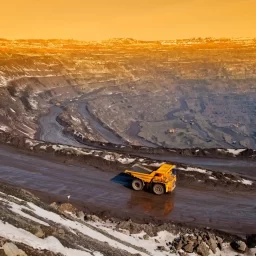
In mining, being “almost on time” can sometimes be just as problematic as being late.
A processing plant does not stop and say, “No worries, we’ll try again tomorrow.” Equipment needs its parts, processing needs its chemicals, teams need their materials and production schedules need supplies to arrive when they are expected. Behind every mining operation is a supply chain working quietly in the background and when that supply chain works well, most people hardly notice it. That is exactly how it should be.
Mining is a business where time has a direct operational value. Delayed delivery can affect a maintenance schedule. A shortage of critical chemicals can disrupt processing. Poor inventory visibility can lead to unnecessary emergency procurement. Even a small logistical delay can create a chain of problems that become much larger further down the line. The challenge is that supply-chain problems do not always announce themselves.
Sometimes, the first warning is simply:
“We are running low.”
By then, the clock is already ticking.
When people think about supply, they often picture the final delivery: a truck arrives, materials are offloaded and the job is done. But reliable supply begins much earlier. It starts with understanding what the client needs, sourcing the right products, planning inventory, coordinating transportation, managing documentation and ensuring materials are stored appropriately before they are required. For mining operations, this can involve everything from Quicklime and Cyanide.
So, the real question is not simply: “Can we deliver it?”
It is: “Can we deliver it safely, correctly and when the operation needs it?”
That is where supply-chain discipline makes a difference. There is an important difference. A just-in-time supply approach is not about keeping the smallest possible amount of stock and hoping everything goes according to plan. It is about having the right materials available at the right time, supported by good planning, inventory visibility and dependable logistics.
That matters because mining does not operate in a perfectly predictable world. Demand changes. Schedules change. Equipment fails. Shipments get delayed. And suddenly, the material that seemed like “something we can order later” becomes the most important item on the list.
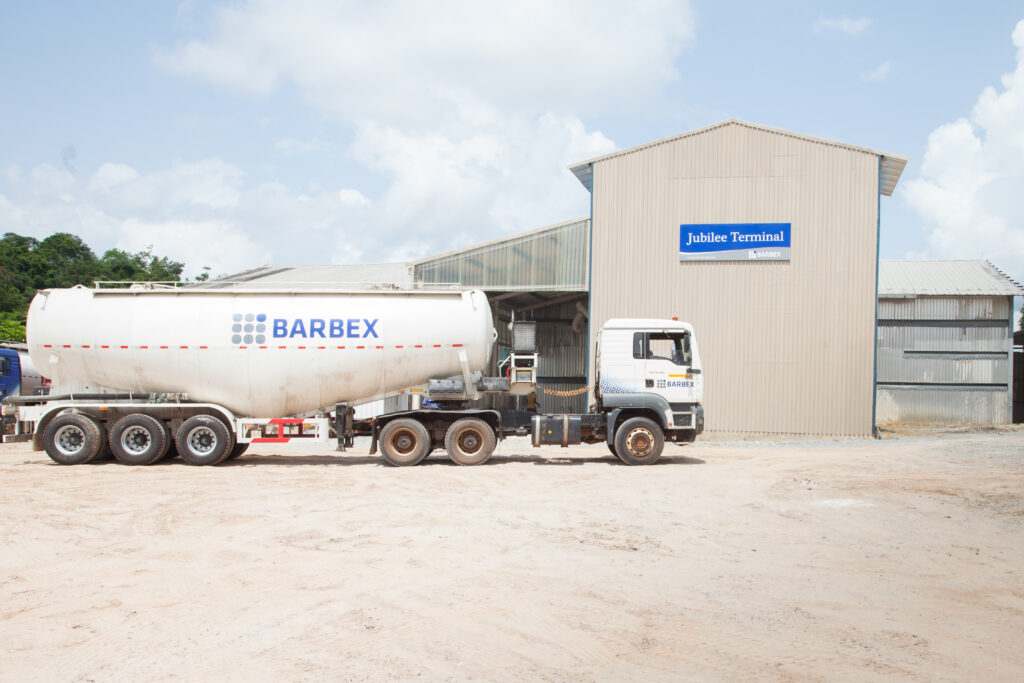
A warehouse may not be the most glamorous part of mining. There are no giant haul trucks driving through it. No dramatic blasting. No gold bars coming out of the ground. But good warehousing can quietly solve a very important problem.
Barbex operates warehouses at strategic locations, including facilities measuring 1,500m² and 1,200m², supported by inventory-management technology designed to handle client inventory and special product requirements safely and efficiently. The goal is not simply to store products. It is to create visibility and control over what is available, where it is located and when it needs to move. Because when a mine needs something urgently, searching for it should not become part of the job.
Supply chains are often judged by the final delivery. But a lot happens before that delivery reaches mine. Procurement. Documentation. Customs. Storage. Transportation. Handling. Compliance. Coordination. Barbex’s operations include import and export support, customs coordination and supply arrangements, helping clients manage the movement of mining products across borders and through the supply chain. This is why mining supply chains require more than a supplier with a truck. They require coordination.
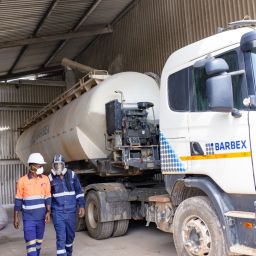
There is another reason for timing and planning matters: Safety. Some mining materials require specialized handling, storage and transportation. Getting a product to site quickly is not enough if the process does not meet the required safety and environmental standards. Barbex provides technical support for specialty products and chemicals, with its certified technical team focusing on safety, health and environmental considerations, including monitoring and training stakeholders on proper chemical use. In mining, fast is useful. Fast and safe is better.
What does a reliable supply chain really look like?
It looks less complicated than you might think. It is knowing what your client needs. It is planned before the shortage happens. It keeps inventory visible. It has reliable storage. It is moving materials efficiently. It is understanding regulatory requirements. It is having technical knowledge when specialized products are involved. And when something unexpected happens, it is having enough experience and flexibility to respond. That is what turns a supply chain from a background function into an operational advantage.
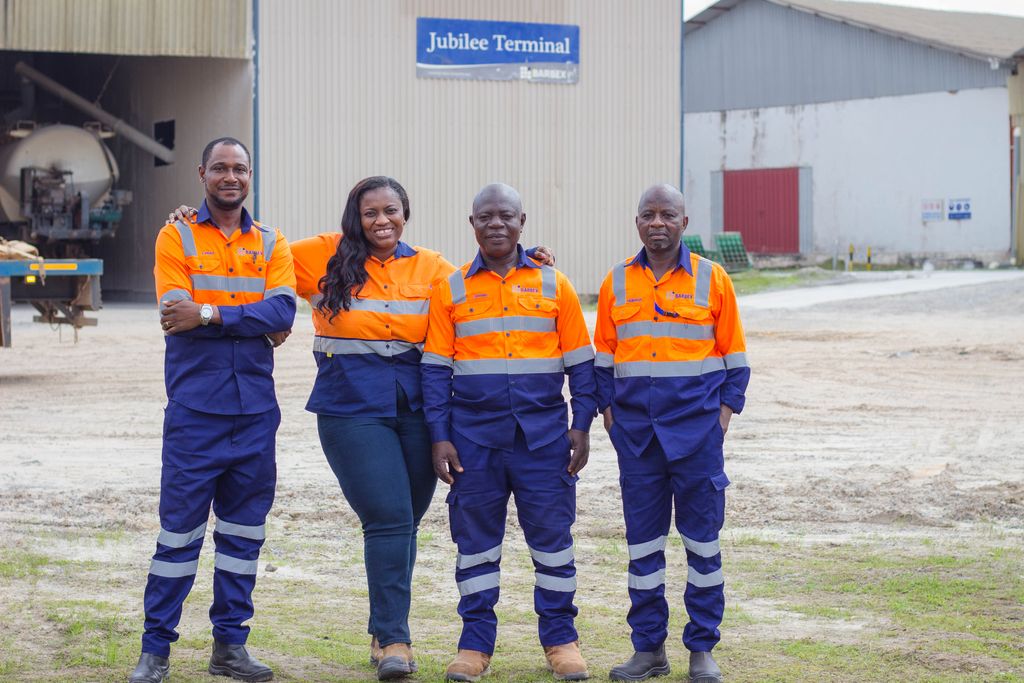
At Barbex, we see the bigger picture. Barbex Africa was built on a foundation of mining support and supply-chain expertise, with a focus on helping mining companies operate efficiently and seamlessly. Its services span mining support project management, chemicals and materials supply, product and technical support, imports and exports, and warehousing and inventory management.
Each service plays its own role. Together, they form something bigger: a supply chain designed to keep operations moving. Because mining does not only depend on what happens inside the mine. It depends on everything that supports mine. A mine cannot afford to spend every day asking:
“Where is the material?” The better question is: “Are we prepared for when we need it?” That difference comes down to planning, visibility, experience and reliable support. At Barbex, we understand that the strongest supply chains are not necessarily the ones people notice. They are the ones that quietly work. On time. Safely. Efficiently. Consistently. Because when the supply chain works, the operation can keep moving. And mine doesn’t have to wait.