

As the mining and energy sectors across West Africa continue to evolve, conversations around
supply chain resilience, efficiency, and competitiveness are becoming increasingly important.
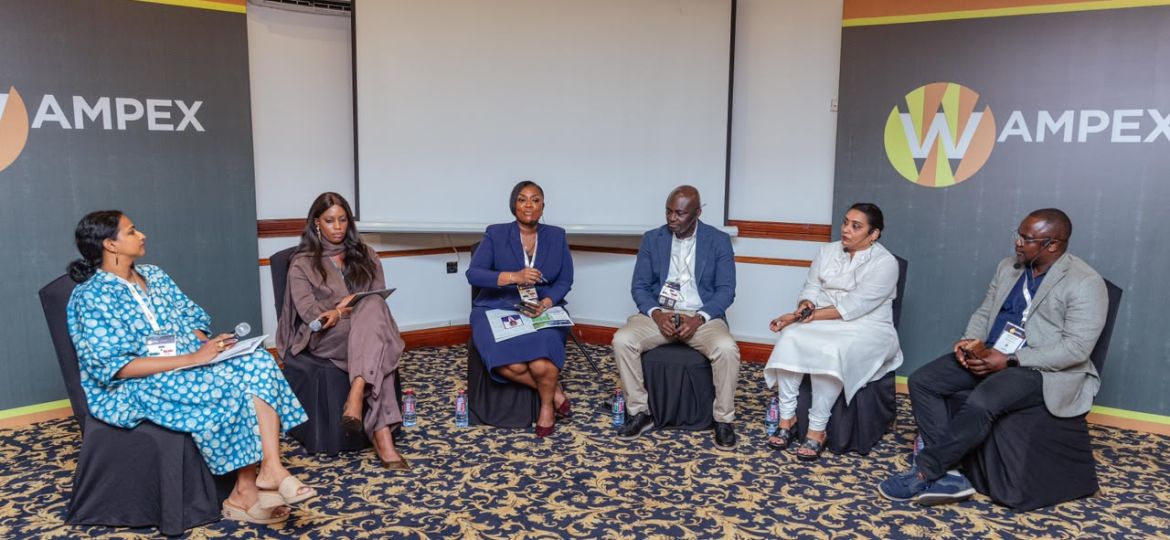
During a recent panel discussion on “Supply Chain Innovations in West Africa: Building Resilient,
Efficient and Competitive Value Chains for Mining and Energy,” at WAMPEX 2026, industry
stakeholders explored the realities, opportunities, and challenges shaping the region’s supply
ecosystem. One key message that emerged from the discussion was clear: building resilient supply
chains requires more than ambition it demands practical solutions, strategic partnerships, and longterm investment in local capacity.
Local Content Conversation: Ambition Must Meet Reality
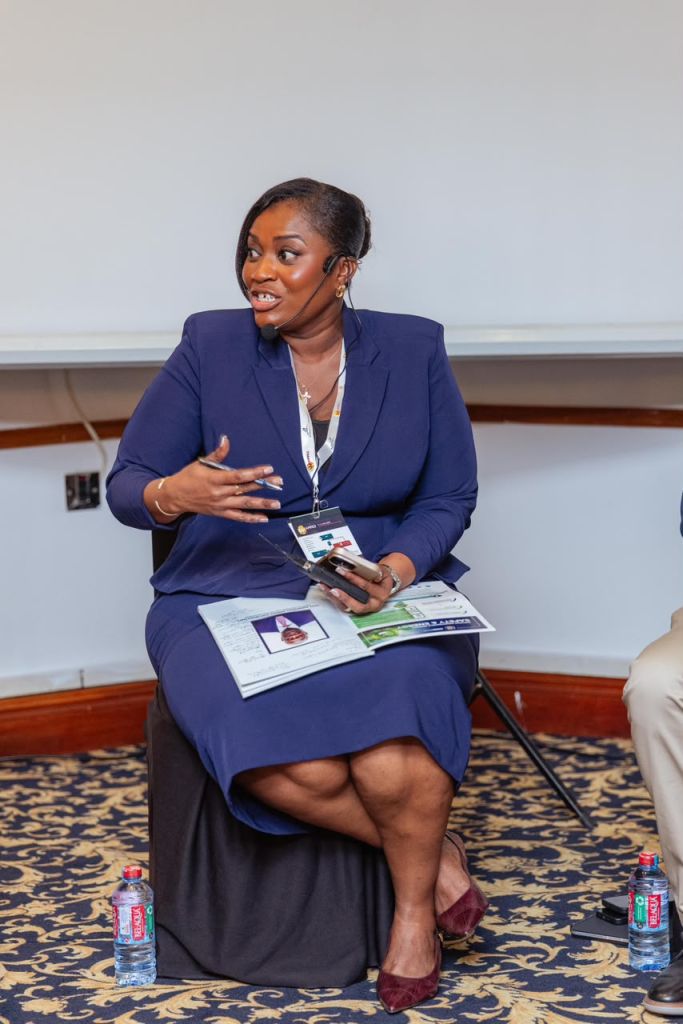
Local content remains one of the most important pillars in strengthening West Africa’s mining
industry. The vision of empowering indigenous businesses and increasing local participation is
widely supported. However, achieving this goal requires an honest assessment of the current
realities facing local suppliers. While local businesses are eager to participate more meaningfully
in mining value chains, capacity gaps still exist. For many suppliers, limitations in financing,
technical expertise, infrastructure, and operational scale make it difficult to immediately meet the
demands of large-scale mining operations. The discussion highlighted the need for regulators and
policymakers to adopt a phased and supportive approach to local content implementation. Rather
than focusing solely on compliance and penalties, stakeholders emphasized the importance of
creating measurable growth pathways that gradually strengthen local businesses over time.

Payment Delays: The Hidden Strain on Local Suppliers
One of the most pressing challenges affecting mining supply chains is delayed payment cycles.
Local suppliers often begin incurring costs long before a product reaches a mine site. Procurement,
shipping, customs, warehousing, and financing costs begin accumulating from the moment orders
are placed. Yet, in many cases, payment timelines extend far beyond delivery, creating immense
pressure on business sustainability. For smaller and medium-sized suppliers, this often means
depending on costly bridge financing to remain operational. Fairer and more predictable payment
structures, particularly within a 30 to 60-day window, were identified as critical to help suppliers
remain financially stable and competitive. Improving payment systems is not only beneficial for
suppliers; it strengthens the entire supply chain by ensuring continuity, reliability, and long-term
business growth.

Strengthening Supply Chains Through Local Manufacturing
Supply disruptions remain a major concern for mining operations. Delays in shipping, changing
global market conditions, and logistical bottlenecks continue to impact the availability of essential
products and equipment. To reduce dependency on external markets and improve resilience,
stakeholders pointed to the importance of increasing local manufacturing and maintaining stronger
in-country inventory systems. However, local production cannot thrive without enabling policies.
Government incentives such as reduced duties on manufacturing inputs, tax reliefs, and support
for industrial growth could significantly encourage local businesses to expand production
capabilities and contribute to more reliable supply chains. A stronger local manufacturing base
would not only improve product availability but also create jobs, stimulate economic growth, and
position West Africa more competitively within the global mining landscape.

Technology, Innovation and the Digital Divide
Innovation continues to shape supply chain management globally, but local realities must be
acknowledged. While advanced technologies and digital tools are transforming supply chains
elsewhere, many businesses in West Africa still face infrastructural barriers, including unstable
network connectivity, limited digital exposure, and affordability challenges. Technology adoption
cannot happen in isolation. Businesses require access to training, practical demonstrations, and
affordable solutions that align with their operational realities. Equally important is improving the
enabling environment, particularly digital infrastructure, to ensure local suppliers are not left
behind in the push toward modernization. The future of mining supply chains may be digital, but
inclusion must remain central to the transition.
Collaboration: The Foundation of Sustainable Growth
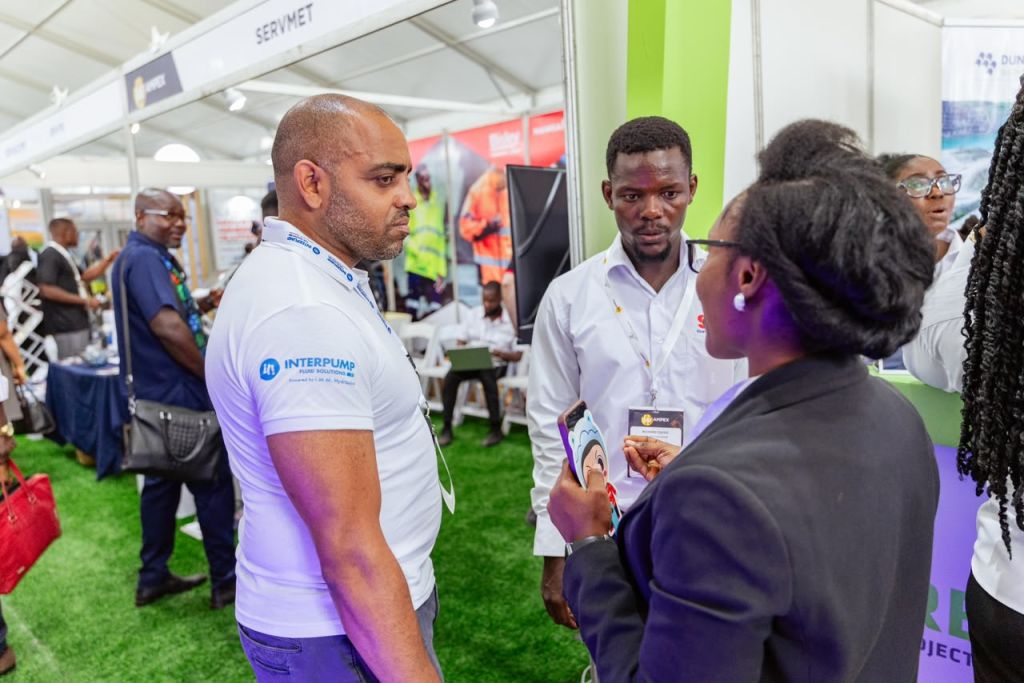
Perhaps the strongest theme throughout the discussion was the importance of collaboration.
Building resilient supply chains is not the responsibility of one stakeholder alone. Mining
companies, financial institutions, regulators, suppliers, and industry associations all have critical
roles to play. Mining companies were encouraged to view supplier relationships as partnerships
rather than transactions. Supporting suppliers through reasonable payment terms, supplier
development initiatives, and transparent engagement creates shared value for all parties involved.
At the same time, financial institutions are increasingly developing tailored financing products for
mining support services, helping local suppliers access the capital needed to grow and meet
operational demands. Government agencies and industry bodies also continue to play an important
role in fostering dialogue and creating policies that reflect on-the-ground realities.
Looking Ahead
Building resilient, efficient, and competitive supply chains for mining and energy in West Africa
will not happen overnight. It requires patience, investment, collaboration, and a clear
understanding of both aspirations and limitations. The path forward lies in strengthening local
capacity, improving access to finance, embracing practical innovation, and creating partnerships
that prioritize shared success. When industry, government, and local businesses work together, the
region can move beyond participation toward true competitiveness building supply chains that are
not only resilient but transformative for the future of mining and energy in West Africa.
